Have feed back, suggestions, or questions? CLICK HERE to Send us a Message.
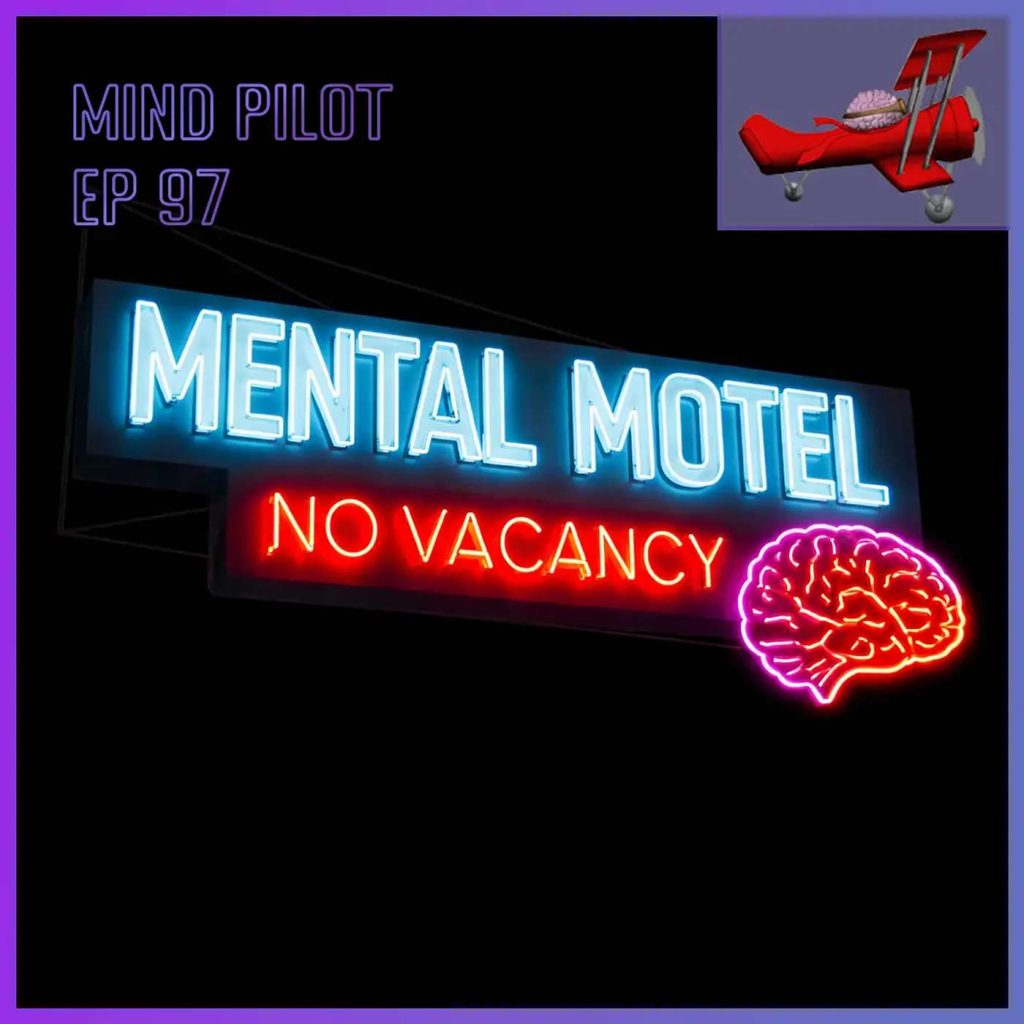
Mind Pilot Episode 97
In this episode of Mind Pilot, Dr. Jana Price-Sharps explores how to safeguard your focus when dealing with those "walking wounded" colleagues who seem to crawl under your skin the moment they speak. For first responders and veterans, the "jerk in the room" is often someone lashing out due to their own unaddressed PTSD or life struggles; however, understanding their pain doesn't mean you have to let them "rent space" in your head. You will learn practical tactics to soften these interactions through micro-rapport, as well as the "box on the desk" method to mentally contain toxic influence. Tune in to learn how to triage these difficult relationships, set firm boundaries, and reclaim your right to a life free from constant, unnecessary chaos
Key Topics Covered
- Identifying the "Walking Wounded": Recognizing that aggressive or sarcastic behavior in high-stress fields is often a symptom of unaddressed PTSD or personal pain.
- Building Micro-Rapport: Using small gestures like genuine thanks or compliments to soften difficult professional relationships and reduce daily friction.
- The "Box on the Desk" Method: Utilizing a physical or mental container to store the names of difficult people, effectively "evicting" them from your mental space.
- Protecting Your Perimeter: Knowing when to limit engagement to the bare essentials of the job to prevent toxic personalities from causing constant chaos in your life
Episode Transcript
Good day. This is This is Dr. Jana Price-Sharps. Have you ever worked with anybody that they just open their mouth and they immediately crawl under your skin? Have you ever worked with that person? It doesn't matter what they say. It's over time, immediately if they start talking, you start getting irritated.
The Irritation Trigger
SPEAKER_00What do you do with that person? Well, the obvious answer is if you can begin to avoid that person to some extent, that's probably in your best interest because the chances of you saying something that you regret later are much higher with that person. But the other couple of things that you might
Building Micro-Rapport
SPEAKER_00try, and they may or may not work, I get that. But you might try just making a slight connection with that person. So what would that look like? Something like, you know, uh, I really appreciated that you did this the other day. Thank you for doing that. Okay. It could be something really small, but I think sometimes when we thank people, it softens them a little bit and it creates a little more rapport. Uh, even if, yes, I know it was their job and they should have done it anyway. But thanking people a lot of times will go a long way. So that's one thing. Another thing you can try is compliment them on something they do really well. You know, I saw you uh speak in that meeting the other day. You did a really good job. I really took a lot from what you were talking about. That's another thing. Obviously, if they botched it, you don't say that to them. But if there was anything that you thought they did well, maybe you bring that up. Again, developing a little bit re- of rapport doesn't mean you have to be good friends with them and you're not gonna vacation with them. But maybe there is something that you could uh throw out there that will create a little bit of rapport for that person. And when we develop rapport, people typically don't irritate us as much. Um if it's clear that they're having a bad day, um you could say something along the lines of, hey, how are you doing today? You look like you're having a hard day. And then you just let them talk. Okay. Now you may hear more than you want to hear, or they may just go, I'm fine, and kind of brush you off. But again, you're trying to soften that relationship just a little bit. Again, not to become long-term friends, but to reduce the distance.
Triage for the Walking Wounded:
SPEAKER_00The more we see people's behavior as a result of them hurting or having problems or just not having the knowledge of how to do something, the less likely we are to get irritated with them. You know, I used to say, and I still do on occasion when I'm speaking, uh, usually the biggest jerk in the room is the one that has the most PTSD, and this is true for first responders. The one that is getting mad, the one that's sarcastic, the one that is mean. Um, you know, so often those are the walking wounded. They're just really struggling with life and they don't know what to do to heal. And so they're just kind of lashing out at everybody. And this is so true in the first responders fields where you get people that are just mentally wounded, and they don't know what to do with all of that anger. So it comes out on colleagues and civilians and anybody that's within distance or minimal distance of them, it comes out. So thinking in terms of, okay, I wonder maybe this person's just really struggling with life and they don't have the skills to to walk through that. Maybe uh they're just going through a bad divorce. Maybe they've got some physical stuff going on, and I don't know about it. So, you know what? I'm going to give them a little bit of a benefit of doubt, uh, of the doubt. So how again, are you gonna do that? Those little tiny steps, if you can soften your heart just a little bit. Now, I understand there are some people that are just, they're just wired that way and they're angry and they're obnoxious, and you're like, Jenna, I am not gonna soften my heart for that person. I get that. I do, I truly do.
Evicting Mental Renters
SPEAKER_00But the problem is if this person, if you're sitting here listening to this podcast and you're already getting mad at this person, that tells me they've moved into your head and are renting space there. Is that really where you want them? You know, the other thing that I have done over the years is this I have a box on my desk and I write that person's name on that sticky note, and in the box they go, and they stay there. And that helps me as well. Kind of reminds me to contain their influence on me and think, you know what, this is their issue, not mine. And that also helps me to not kind of get in the weeds with these people. Uh, because there are those people that they just like to poke. They like to be mean, they like to be chaotic. And if that's the kind of person you're dealing with, just do not engage beyond what you absolutely have to for your job. And there may be things you have to do for your job, but only do that and don't go beyond that. But don't give them rental space in your brain. They're just not worth that.
Protecting Your Perimeter
SPEAKER_00And if you're living with somebody like that, then you really need to ask yourself, is this fixable? And if it's not fixable, then what can I do instead? Um, because you have the right to not have constant chaos in your life. And so begin to make changes so that you can either move away, move out, get a divorce, separate, whatever you need to do. But you do have the right to make a long-term plan for your happiness. So think about who you're dealing with. Think about ways you can deal with the situation without making your life worse, but do not let them rent space in your brain because they are not worth it. But you are, you are worth taking care of. You have the right to have a happy life. You have the right to take care of yourself, you have the right to wake up happy and feel good about life. I hope that you are working on your journey and taking care of you. God bless and have a great day. This is This is Dr. Jana Price-Sharps from Mind Pilot.